
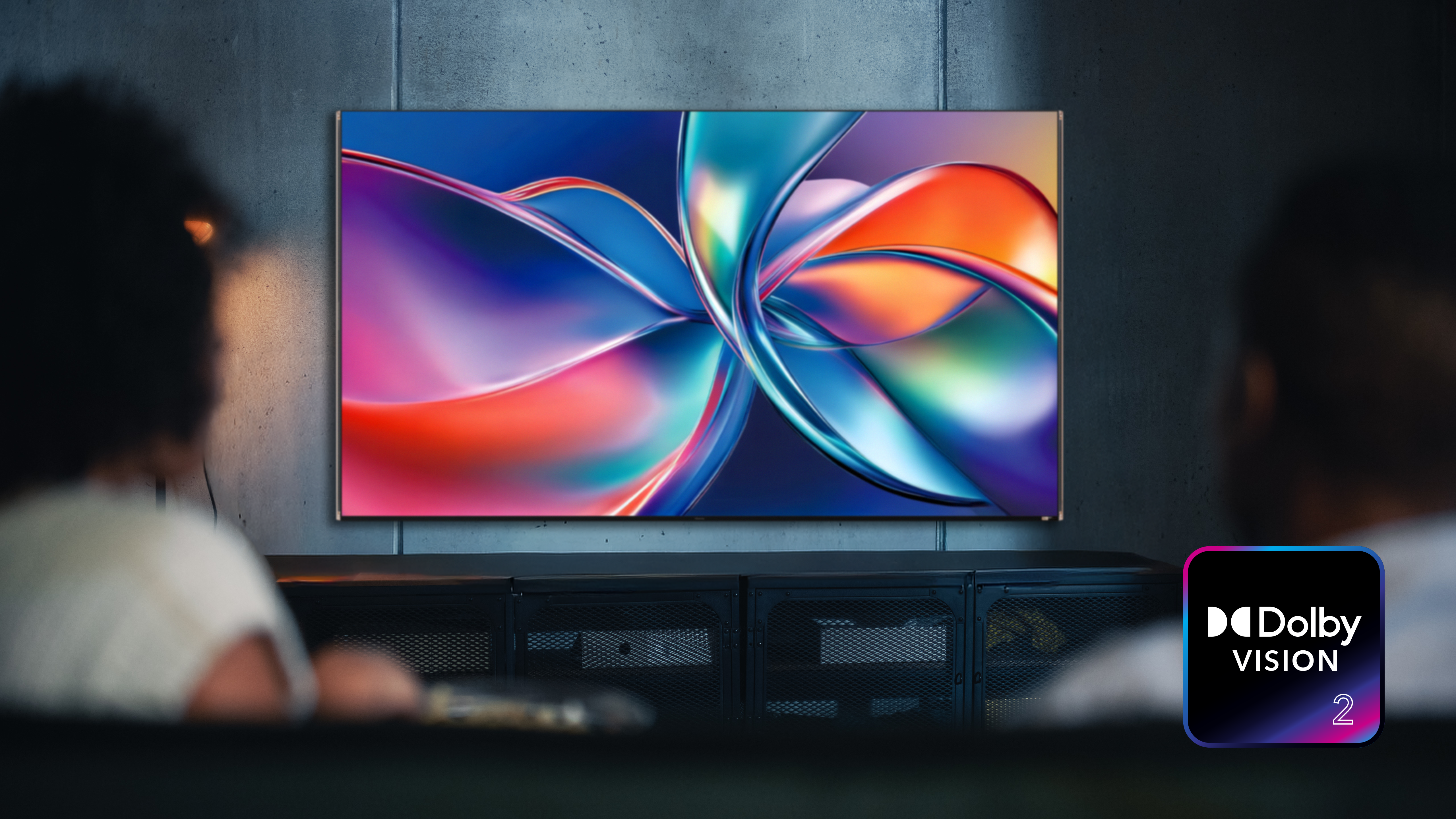
Dolby Laboratories has announced Dolby Vision 2, an upgrade to its ten year old HDR format that brings AI powered tools designed to improve picture quality on modern TVs.
At the center of the update is Content Intelligence, a set of AI features that automatically optimize picture settings based on the type of content, the viewing environment, and the display itself. Key elements include:
- Precision Black, which improves clarity in dark scenes without sacrificing creative intent.
- Light Sense, which adjusts output by combining ambient light detection with content reference data.
- Special modes for sports and gaming, designed to enhance fast paced visuals.
Dolby Vision 2 also introduces a new image engine that enables more advanced tone mapping suited to today’s brighter and more color rich displays. A new bi directional tone mapping system allows creators to take advantage of display capabilities while still preserving artistic control.
One of the most notable additions is Authentic Motion, a feature that gives filmmakers the ability to fine tune motion smoothing on a shot by shot basis. This helps reduce judder while avoiding the “soap opera effect” often caused by older motion smoothing technology.
Dolby Vision 2 will be offered in two versions:
- Standard Dolby Vision 2, which delivers the core features for most TVs.
- Dolby Vision 2 Max, reserved for premium televisions with support for the full feature set.
Hisense will be the first manufacturer to release TVs with Dolby Vision 2, using MediaTek’s Pentonic 800 chip. Other major brands including LG, Sony, TCL, Vizio, and Roku are expected to adopt the format in upcoming models.
Importantly, existing Dolby Vision content will remain compatible with current displays. Consumers will benefit from the improvements of Dolby Vision 2 when upgrading to supported devices, but there is no need to replace a television right away.


