

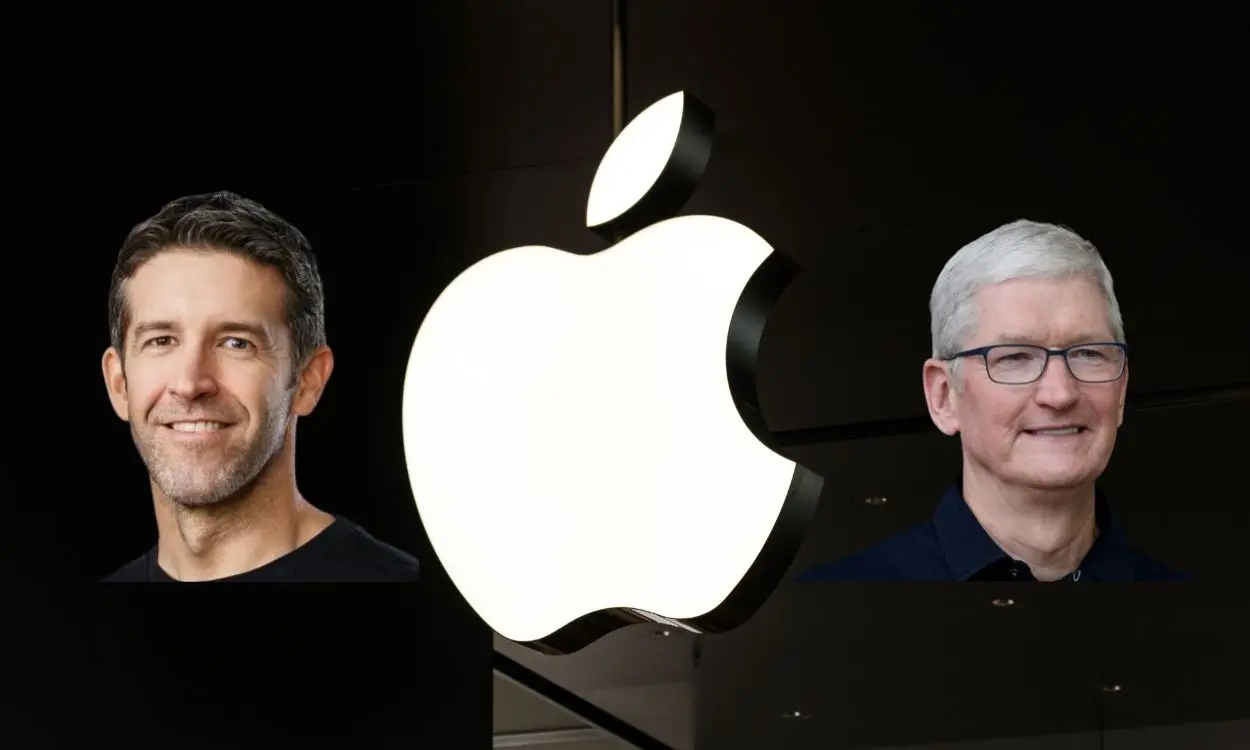
Apple is quietly preparing for one of its biggest leadership shifts in more than a decade. According to multiple reports, the company’s board and senior executives have begun accelerating succession plans as CEO Tim Cook positions himself to step down as early as next year.
Insiders say discussions have become more focused in recent months, with an announcement potentially coming after Apple’s next earnings report in early 2026. While Apple has not made anything official, executives are reportedly working toward a smooth transition that minimizes disruption to ongoing projects and investor confidence.
The leading candidate to take over is John Ternus, Apple’s Senior Vice President of Hardware Engineering. Ternus has been with the company since 2001 and is credited with overseeing major hardware innovations, including the transition to Apple Silicon, the evolution of the iPhone and iPad lines, and the development of the Vision Pro headset. Within Apple, he’s known as a steady hand who blends technical insight with operational efficiency.
Cook, who turned 65 this year, has long hinted that he does not plan to remain in the role indefinitely. In past interviews, he said he wants to leave Apple “in a strong position for whoever takes over next.” That timing appears to be approaching. Cook’s departure, when it comes, would mark the end of an era that began in 2011 when he succeeded Steve Jobs and guided Apple through explosive growth, record-breaking profits, and new product categories.
Apple’s timing is strategic. The company is entering a major new phase focused on artificial intelligence, augmented reality, and a possible foldable iPhone lineup by 2026. Insiders say leadership wants a clear handoff before those product cycles mature. The move would also give investors time to adjust to a new public face of Apple before the next wave of innovation arrives.
Internally, Apple is emphasizing stability. The company is reportedly committed to keeping the leadership transition in-house, reflecting its culture of promoting long-serving executives. Market analysts expect Apple to frame the move as continuity rather than change, reinforcing confidence among employees and shareholders.
Still, the transition raises questions about how Apple will evolve under new leadership. Will the company maintain Cook’s methodical, operations-first approach, or return to a more experimental, design-led style reminiscent of the early Jobs era? Much will depend on Ternus’s vision and the team he builds around him.
Cook’s eventual successor will inherit one of the most high-profile jobs in business, steering a company that remains the world’s most valuable by market capitalization. With Apple’s global influence spanning from devices to services, the next CEO will shape not only its next decade of innovation but potentially the direction of the entire consumer tech industry.


