
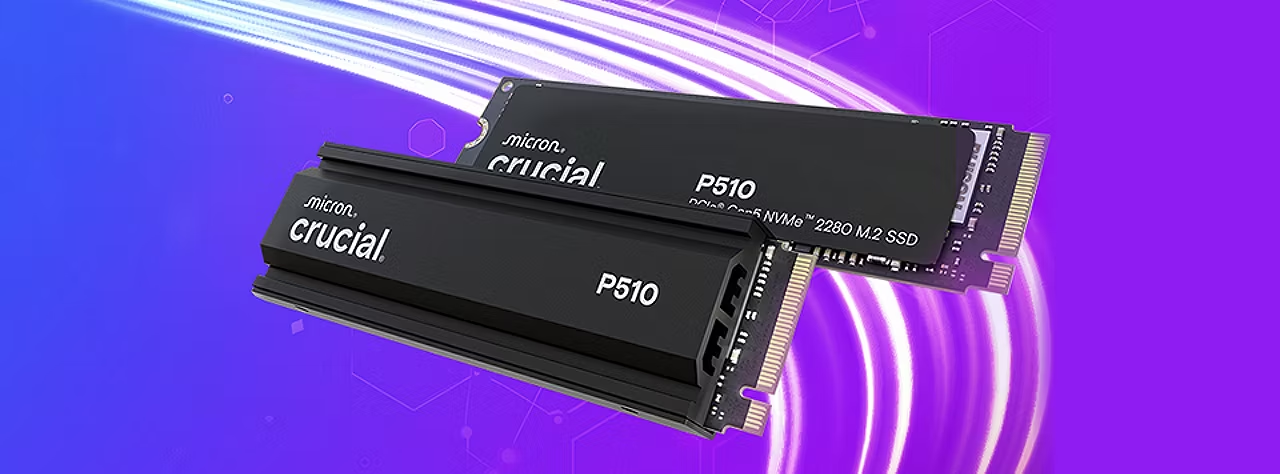
Crucial announced today that it will stop selling RAM modules to everyday consumers. This decision ends a long chapter: for almost three decades, Crucial had been a major name for PC memory upgrades, trusted by builders, gamers, and upgraders alike.
Instead of continuing to sell to consumers, Crucial says it will shift focus toward enterprise and OEM customers. That means if you were planning to buy RAM sticks from Crucial for your next PC build, you’ll need to look elsewhere — at least once their current stock runs out.
The company points to rapidly rising costs in memory manufacturing and growing pressure on margins as key reasons for the move. In their view, supplying enterprise-grade memory or selling directly to hardware manufacturers offers more stability in a market that’s become increasingly unpredictable for standalone retail RAM.
For PC builders and DIYers, the change could shake up some buying habits. Crucial’s RAM kits have long been considered reliable go-to options. Without them, shoppers may see slightly higher prices or reduced availability as demand shifts to other manufacturers.
At the same time, this move reflects broader trends in hardware supply chains. Many component makers are consolidating or pivoting toward higher-volume business customers, rather than catering to small-batch, consumer-level sales. That tends to favor big OEMs and enterprise clients over DIY builders.
For now, if you’re eyeing a new desktop build or memory upgrade, it’s worth getting your order in soon. Once existing retail stock clears out, Crucial-branded RAM may disappear from major retailers’ shelves. In the meantime, other companies remain active in the consumer RAM market — so you’ll still have choices, but potentially fewer deals and less variety.
This marks a turning point in how consumer PC components will be sold and distributed. For many longtime PC builders, the name “Crucial” has meant dependable, affordable RAM. In 2026, that name will likely survive — but mainly behind the scenes, powering enterprise hardware and manufacturer systems instead of custom desktops in your home.