
A Las Vegas based HBO Max subscriber is taking Netflix to court over its plan to buy Warner Bros. Discovery’s studio and streaming business for 72 billion dollars. The lawsuit, filed by Michelle Fendelander, argues that the deal would wipe out one of Netflix’s closest rivals, give Netflix outsized control over major franchises, and hurt everyday streaming customers through higher prices and worse service.
Fendelander filed the proposed class action in the U.S. District Court for the Northern District of California in San Jose. She is asking the court to block the merger outright or impose remedies strong enough to prevent what she calls an illegal reduction in competition in the subscription video on demand market. The case is brought on behalf of U.S. subscribers who pay for services like Netflix and HBO Max.
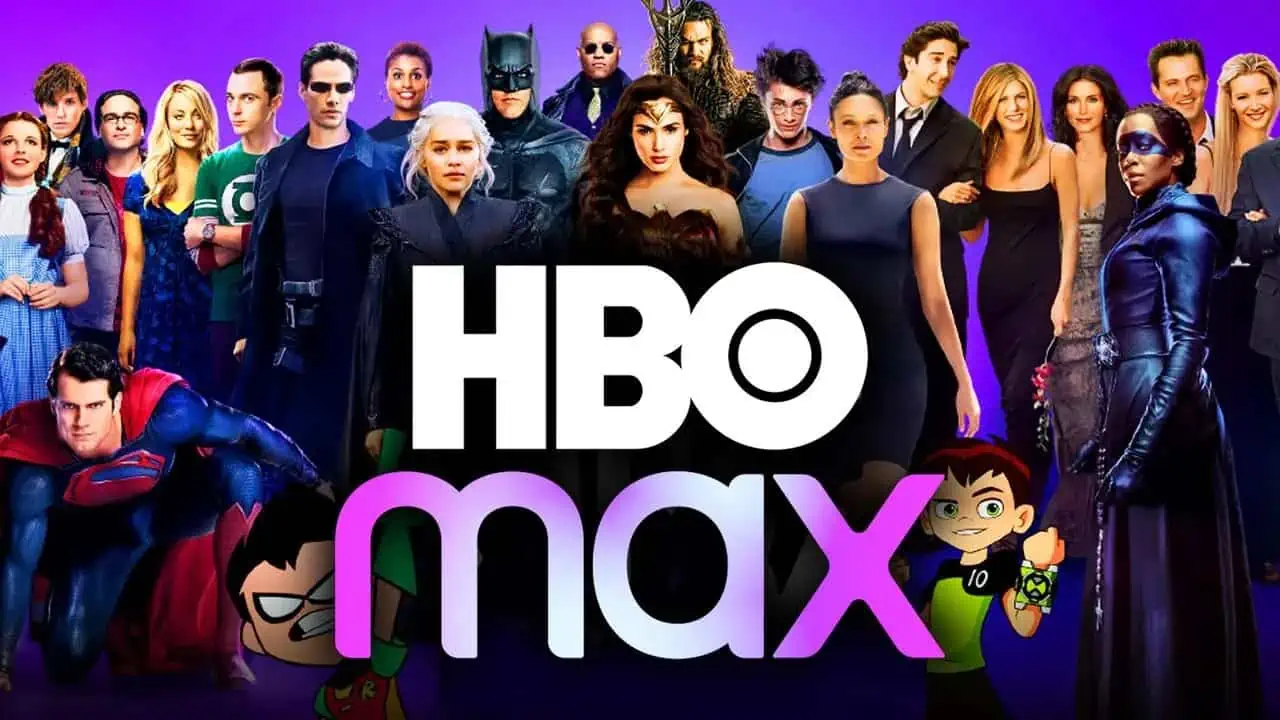
In the complaint, Fendelander warns that if the deal goes through, Netflix will absorb HBO Max and remove it as a full scale competitor. The filing points out that Netflix would gain control of some of Hollywood’s most valuable series and franchises, including Harry Potter, DC properties, and Game of Thrones. It also highlights Netflix’s track record of raising prices even while facing competition, and suggests that losing HBO Max as an independent rival will make future price hikes more likely.
One key line captures the lawsuit’s core argument: American consumers, including streaming customers like the plaintiff, will bear the brunt of decreased competition, paying increased prices and receiving degraded and diminished services for their money. In other words, the complaint is not only about corporate power, it is about what this kind of consolidation looks like on a monthly credit card statement.
Fendelander is represented by the law firm Bathaee Dunne, which has a history of filing antitrust actions against large tech, entertainment, and financial companies. The lawsuit relies on federal antitrust law that allows private consumers to sue to stop mergers they believe will harm competition, even while regulators are conducting their own reviews. Historically, these cases face a high bar, but they can add pressure, shape the public narrative, and occasionally lead to real changes in deal terms.
Netflix has dismissed the lawsuit as meritless and framed it as an attempt by plaintiffs lawyers to capitalize on the headlines surrounding the Warner Bros. deal. Warner Bros. Discovery itself is not named as a defendant in the complaint. For now, the company is continuing to pursue the transaction, which would give Netflix control of Warner Bros. film and TV studios, HBO and HBO Max, DC Entertainment, and related libraries and distribution businesses, while legacy linear channels are spun off into a separate company.
This consumer lawsuit lands on top of an already crowded field of opposition. Hollywood unions, theater owners, and some lawmakers have warned that the Netflix Warner deal could cost jobs, reduce theatrical releases, and concentrate too much creative power in a single company. They argue that combining the world’s largest streamer with one of the biggest traditional studios will make it harder for competitors to invest, and easier for Netflix to dictate terms across the industry.
At the same time, Netflix now faces a direct corporate challenger. Paramount Skydance has launched a hostile 108.4 billion dollar all cash offer for Warner Bros. Discovery, pitching its bid as a cleaner and more complete alternative that includes Warner’s cable networks along with its studios and streaming assets. That move complicates the picture for regulators and shareholders, and it gives critics another angle to argue that Netflix’s deal is not the only option on the table.
If the Netflix Warner deal closes as proposed, the streaming landscape could tilt sharply toward a smaller number of very large players. If lawsuits, political pressure, and rival bids succeed, the final shape of the industry might look very different from what Netflix is currently trying to build. Fendelander’s case may not be the one that decides the outcome, but it is an early sign that consumers are willing to push back in court, not just on social media, when the streaming wars turn into consolidation.