
With CES 2026 right around the corner, HDMI 2.2 will be seeing a ton of attention as many manufacturers tease their first wave of compatible TVs and monitors. The new specification has been getting a lot of attention because it promises huge gains in bandwidth and support for extreme resolutions. The marketing makes it sound like every HDMI 2.1 TV just became outdated overnight. That is not the case. HDMI 2.2 is real and impressive, but very few people will benefit from it right now. If you own an HDMI 2.1 TV, you are still in great shape for years to come.
Let me break down what HDMI 2.2 actually changes, what HDMI 2.1 already delivers, and why upgrading today would not make a meaningful difference for most people.
What HDMI 2.2 Actually Changes
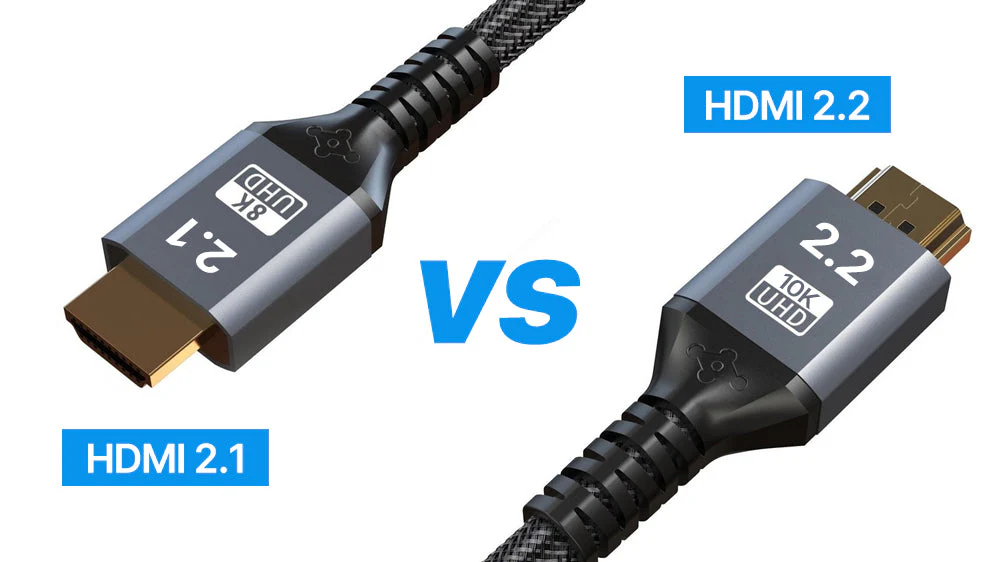
The HDMI Forum introduced HDMI 2.2 to double the available bandwidth from 48 Gbps to 96 Gbps. That upgrade allows for extremely high resolutions and frame rates, including 4K up to 480 Hz and 8K up to 240 Hz. The organization describes HDMI 2.2 as a way to support “higher performance capabilities” for upcoming products and more specialized use cases.
To handle the increased bandwidth, there is a new class of HDMI cables called Ultra96. These cables go through strict certification so they can carry the full 96 Gbps signal without errors.
On paper, all of this sounds like a leap into the future. The key is that none of it changes how people watch movies or play games today.
HDMI 2.1 Already Covers What Most People Use
If you have a fairly recent TV, soundbar, game console, or streaming box, you are already living in the world HDMI 2.1 was designed for. That standard supports 4K at 120 Hz, 8K at 60 Hz, Variable Refresh Rate for smoother gameplay, Auto Low Latency Mode for faster response, and eARC for lossless audio.
The PlayStation 5 and Xbox Series X were both built around HDMI 2.1. They target 4K at 60 or 120 frames per second. Most games do not go beyond this, and even the ones that push performance still sit well within HDMI 2.1’s limits. Your current TV is not holding your console back.
Streaming content has similar limits. Major services still deliver movies and shows at 4K, and many sports broadcasts remain at 1080p or 4K at 60 frames per second. Even YouTube’s small library of 8K videos does not come close to pushing what HDMI 2.1 can handle.
Why HDMI 2.2 Sounds Bigger Than It Feels
HDMI 2.2 exists for hardware that does not exist in homes yet. The idea of 4K at 480 Hz or 16K at 60 Hz is interesting, but it is not realistic for most people. Your TV panel cannot display those formats. Your consoles and streamers cannot output them. Your internet connection likely cannot stream content at that level either.
Even high-end gaming PCs, which are usually the first to take advantage of new display technology, do not regularly push games past 4K at 120 Hz unless you lower the settings or rely on upscaling. Most PC monitors that benefit from very high refresh rates use DisplayPort rather than HDMI.
This is a situation where the new standard is ahead of the rest of the ecosystem. It will take several years for TVs, content creators, game developers, console makers, and streaming platforms to catch up.
Why You Should Not Upgrade a 2.1 TV Yet
There are a few simple reasons to stay with HDMI 2.1 unless your TV upgrade is already planned.
HDMI 2.1 supports every current console feature you can use, including 4K120 with VRR and HDR. If you game on console or watch a lot of streaming video, you gain nothing today by jumping to HDMI 2.2. Your experience will stay exactly the same.
Early HDMI 2.2 TVs will be expensive. They will also spend most of their time displaying the same 4K and 8K content that HDMI 2.1 already handles without issues. Early adoption is usually the most costly stage and the least impactful for everyday users.
Your picture quality depends more on the panel itself than the HDMI version. Brightness, contrast, color volume, processing quality, and local dimming are what determine how good your screen looks. HDMI 2.2 does not improve any of those things.
The standard is also backward compatible. Ultra96 cables will work with HDMI 2.1 devices and will drop to the lower speeds they support. There is no risk in keeping your current equipment.
Who HDMI 2.2 Actually Makes Sense For
HDMI 2.2 is built for the next generation of hardware, not the current one. It is aimed at advanced gaming PCs, future consoles that do not exist yet, high-refresh-rate e-sports displays, professional simulators, and commercial installations that use multi-display setups. If you fall into those categories, HDMI 2.2 is worth tracking, but the first wave of products is not aimed at most consumers.
A Smart Way To Shop
If you are planning to buy a new TV soon, focus on features you will actually use. Look for strong HDR performance, brightness that matches your room, fast response times, and at least a couple of HDMI 2.1 ports that support 4K120 and VRR. Those are the things that will impact your experience right now.
HDMI 2.2 will matter eventually, but it should not influence your purchase today unless your setup is very specialized.
Final Take
HDMI 2.2 is a meaningful step for the future, but HDMI 2.1 is still the standard that delivers real value today. Most people will not be able to take advantage of 2.2 for several years, and the upgrade would not change how your games, movies, or streaming apps look right now. Keep your current TV, enjoy it, and upgrade when the rest of the industry is actually ready for the jump.