
Meta is transforming its Quest line of headsets into full-fledged home entertainment platforms with the introduction of Horizon TV, a unified streaming hub announced at Meta Connect 2025. Rather than opening separate apps for each service, Horizon TV will blend big-name streamers like Disney+, Prime Video, Peacock, DAZN, and Twitch into one interface.
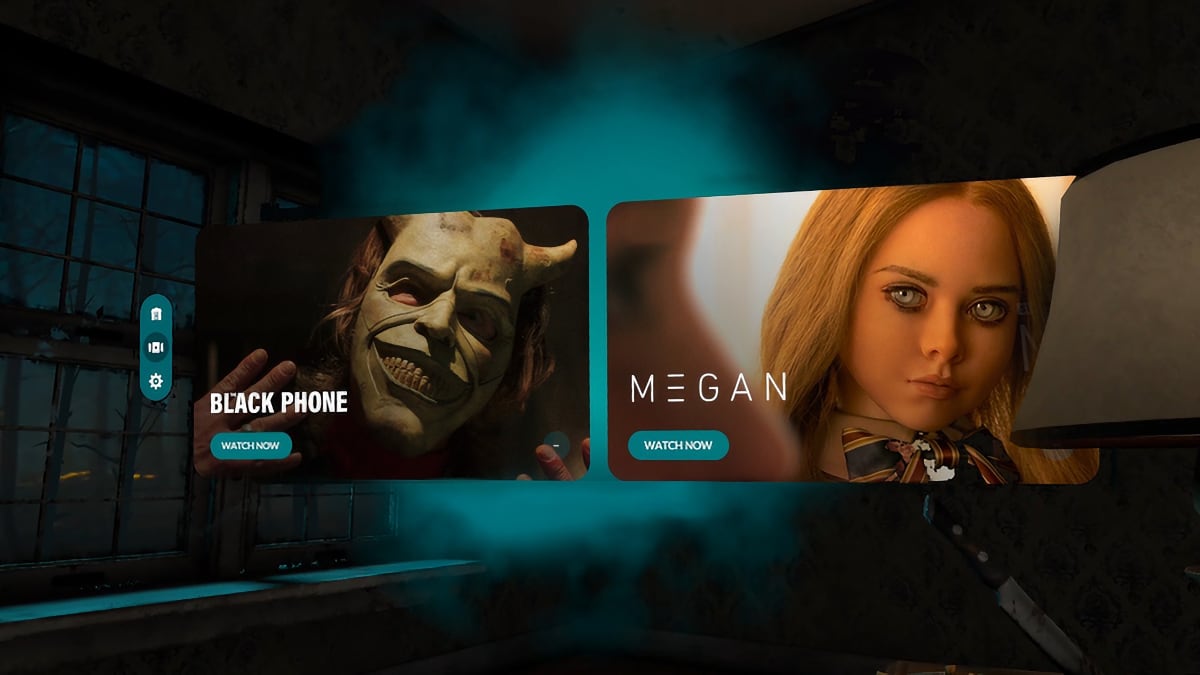
Meta asserts that the new hub will combine both standard flatscreen content and immersive formats under categories such as Movies, TV Shows, Immersive, Sports, Music, and Watchlist. Its interface resembles a smart TV home screen, with a primary promotion area and app tiles aligned at the bottom.
In the presentation’s visuals, Meta teased a “watchlist” function that aggregates shows and movies from different streaming subscriptions. For immersive content, Horizon TV will provide direct access to VR concerts, 180° and 360° films, and special effects versions of select movie titles. Meta has partnered with Universal Pictures and Blumhouse to deliver enhanced experiences using the hub.
Revamp of the TV App & Removal of Legacy Content
Before Horizon TV, Meta’s “TV” app (formerly Oculus TV / Quest TV) focused heavily on user-uploaded videos and immersive formats. With the shift, Meta has removed all user-uploaded content as of September 22nd, 2025, directing creators to migrate their work to platforms like YouTube.
The new app architecture introduces seven main tabs: Home, Movies, TV Shows, Immersive, Sports, Music, and Watchlist. While Movies and TV sections link out to partner services, Immersive content is hosted internally or via VR partners.
Meta says the hub will roll out to “most Quest headsets” first, but has not yet confirmed every model’s compatibility or region-by-region timing and the time of this writing.
With Horizon TV, Meta takes a more centralized approach to video content in VR, positioning the Quest as not just a gaming device, but a home cinema. This could make the headset more compelling for users who want both immersive gaming and entertainment under one roof.
The retooling also reflects Meta’s strategy to own more of the viewer experience, rather than relying solely on third-party apps. And by natively supporting categories like “Immersive,” the company is signaling a push toward hybrid content formats that mix 2D and VR.
In early testing, Horizon TV supports Dolby Atmos audio, though Dolby Vision (high dynamic range visuals) is expected later. Meta also plans platform improvements like removing letterboxing (the black bars) and ensuring media windows resize correctly according to content aspect ratios.


