
RAM prices are climbing at a pace that feels unreasonable, and the surge is reshaping the PC landscape in ways most people didn’t see coming. What used to be one of the most straightforward and predictable upgrades is now one of the most painful parts of building or refreshing a system. For everyday buyers, the shift feels abrupt. For anyone who follows how the memory market works, it looks like a perfect storm that has been building all year.
A major driver of the spike is the massive demand created by companies racing to build out infrastructure for artificial intelligence. Data centers running AI models consume staggering amounts of memory, both in servers and in the specialized hardware used to support those workloads. When that kind of demand hits the market, supply for consumers tightens almost immediately. Manufacturers respond by prioritizing higher-margin enterprise clients, and retail channels get whatever is left. This chain reaction is pushing consumer RAM prices far higher than what most people are accustomed to seeing.
Memory manufacturers have also aggressively raised prices on the components that go into RAM sticks. Analysts say certain chip types have jumped dramatically in cost over the past few months, and those increases have rippled directly into retail pricing. PC builders, both boutique and large-scale, have started adjusting their pricing to compensate. Some companies have warned customers that rising memory costs will soon force them to increase the sticker price of their desktops and gaming rigs. When the companies assembling the machines are sounding the alarm, it’s clear the pressure is real.
The situation becomes even more frustrating when you look at what’s happening at the retail level. Some stores have begun removing traditional price tags and replacing them with “see associate for price” notes because RAM prices are fluctuating too quickly for static labeling to make sense. Customers who walk in expecting a simple purchase may instead find that 16GB or 32GB of memory costs dramatically more than it did just a few weeks prior. It turns a basic upgrade into something that feels uncertain and speculative.
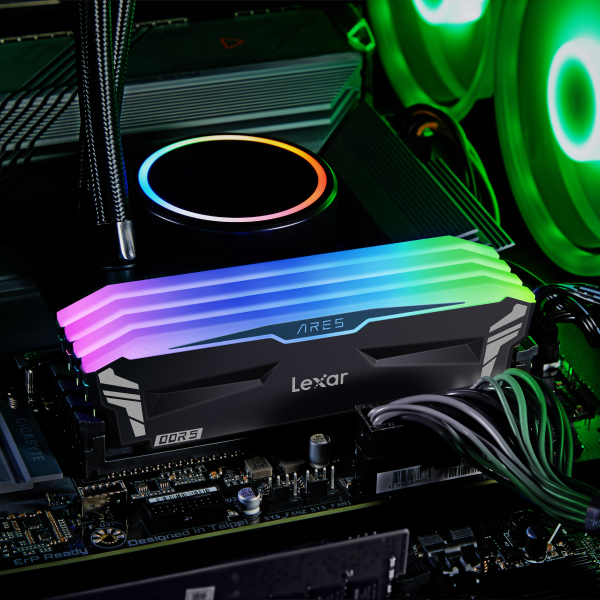
There’s also an unusual twist: prices aren’t just rising for next-generation DDR5. Older DDR4 modules, which should theoretically be getting cheaper as they age out of mainstream builds, are rising just as sharply. That kind of movement contradicts the usual pattern where older tech becomes the budget option. Instead, nearly every category of memory is caught in the same squeeze, suggesting the shortage goes deeper than standard supply-and-demand cycles.
The consequences of all this extend well beyond hobbyist PC builders. Students looking for a minimal upgrade to extend the life of a laptop, families trying to refresh a home computer, or gamers hoping to squeeze more performance out of an older system are all feeling the impact. Even companies outfitting employee machines are having to rethink their budgets, and some are stockpiling memory in anticipation of further increases. When organizations start treating RAM like a volatile commodity, it speaks volumes about how unpredictable the landscape has become.
There’s no clear end in sight. Demand from the AI sector isn’t slowing down, and supply will take time to catch up. Manufacturers could expand production, but those investments happen slowly. Consumers are left stuck in the middle of a global tug-of-war: high-performance memory being pulled toward AI and enterprise clients, with everyday PC owners absorbing the fallout through higher costs and reduced availability.
For now, anyone planning to build or upgrade a PC has to be more strategic than usual. Buying RAM at the right moment may feel like timing the stock market, and waiting for prices to fall may be wishful thinking for a while. The hope is that as supply gradually expands, pricing will stabilize. But until then, RAM has become something nobody expected it to be — a luxury item in the world of personal computing.