

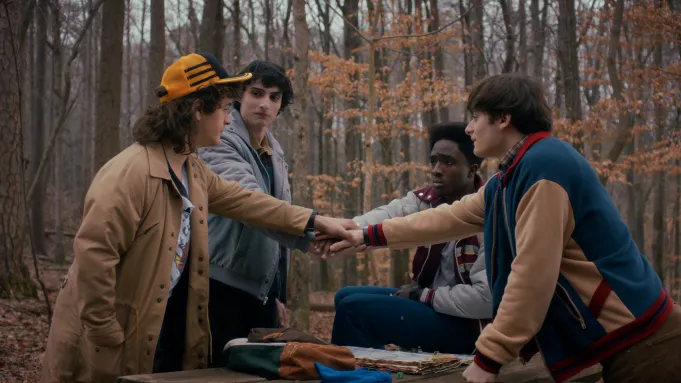
When the final moments of Stranger Things faded to black, the reaction was immediate and emotional. Social feeds filled with disbelief, gratitude, frustration, and relief, sometimes all in the same post. After nearly a decade, the story of Hawkins, the Upside Down, and a group of kids who grew up fighting monsters together was finally over.
The Season 5 finale did not try to outdo itself with nonstop spectacle. Instead, it leaned into resolution. Outlets covering the ending have largely agreed on one thing. This finale cared more about closure than shock. The final battle delivered scale and tension, but the episode’s weight came from quieter moments, reunions, and the consequences of choices made across five seasons.
The show answered its biggest lingering questions without spelling everything out. The Upside Down was explained just enough to give meaning to the threat, but not so thoroughly that it lost its mystery. Vecna’s role in the story reached a definitive conclusion, though some critics noted that the series resisted turning him into a simple villain checklist. The ending framed him as part of a larger, messier mythology rather than a neat final boss.
Character endings have dominated discussion since the episode dropped. Some arcs closed exactly where longtime fans hoped they would. Others took turns that felt painful but intentional. What stood out most, according to reviews, was restraint. The finale avoided killing characters purely for shock value, choosing instead to let survival, loss, and growth carry emotional weight.
Eleven’s journey was at the heart of the episode. Her final choices reflected the themes the show has carried since Season 1, identity, agency, and the cost of power. Outlets have described her conclusion as bittersweet rather than triumphant, a choice that felt honest to a character who has never been allowed an easy win.
The final scenes shifted away from spectacle and back to Hawkins itself. Familiar places appeared quieter, changed by everything that happened. The show lingered on its characters as people rather than heroes, grounding the ending in the everyday lives they fought so hard to protect. For many viewers, this was the most affecting part of the finale.
Critically, reaction has been mixed but thoughtful. Some praised the finale for honoring its characters and emotional core. Others felt the mythology could have been tighter or that certain story threads deserved more time. Still, even more skeptical takes acknowledged the difficulty of landing an ending for a series with this much cultural weight.
What few are disputing is the emotional impact. The finale felt like a goodbye, not just to a story, but to a period of television that shaped streaming culture. Cast members who grew up on screen were given space to close their chapters, and the show resisted leaving doors open just to fuel speculation.
By the time the credits rolled, Stranger Things had done something increasingly rare. It ended. No cliffhanger. No last-second tease. Just a final statement about friendship, fear, and growing up when the world feels like it’s ending.
Whether viewers loved every choice or not, the finale landed with intention. And for a show that started with kids on bikes and a missing boy, that may be the most fitting ending possible.


